
AI-Powered Smart Homes: How ChatGPT is Revolutionizing Home Automation
Imagine walking into your home and having it respond to you like an old friend. Lights adjust, the thermostat sets itself, and even dinner starts cooking—all without lifting a finger. This is not just a futuristic dream; it’s happening now with AI-powered smart homes. At the heart of this transformation is ChatGPT, an advanced language model that takes home automation to new heights.
Gone are the days when voice assistants could only obey simple commands. Today’s innovations allow for seamless conversations between you and your technology. With each interaction, these systems learn about your preferences, making life easier in ways we never thought possible.
Voice Assistants vs. ChatGPT Integration
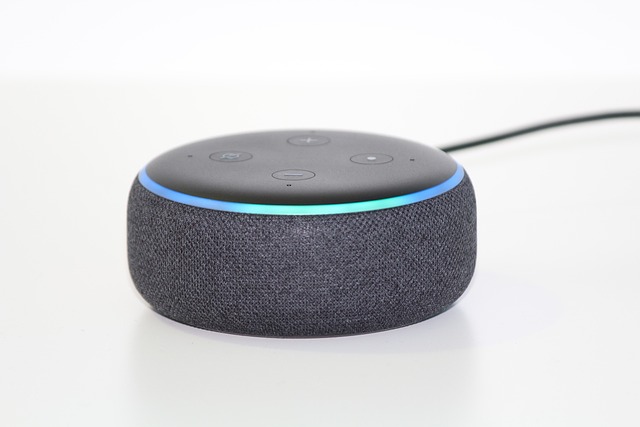 Traditional voice assistants have paved the way for smart home technology, but they often feel limited. They respond to commands with basic functionality and predefined scripts. While useful, these systems can sometimes lack the depth in conversation we crave. Enter ChatGPT integration. This innovation allows for natural dialogue, making interactions feel more intuitive and less robotic. Imagine asking your home a question about its settings or even discussing dinner options in detail. With this kind of AI at work, you’re not just issuing orders; you’re engaging in meaningful exchanges.
Automating Daily Tasks with AI
Imagine waking up to the gentle glow of smart lights that mimic a sunrise. Your coffee brews automatically as you step into the shower, and your favorite playlist fills the air. AI can transform mundane routines into seamless experiences. Smart devices learn from your habits, adjusting temperature and lighting based on your preferences. Grocery shopping becomes effortless with AI-powered apps that track inventory at home and suggest recipes based on what you have. Need to remind yourself about appointments? A quick voice command sets reminders without lifting a finger. Task automation goes beyond convenience; it saves time for things that matter most.

Privacy Concerns with AI Home Systems
As AI home systems gain popularity, privacy concerns are rising. Many users worry about the data these devices collect. Personal information can be vulnerable if not properly secured. Smart cameras and voice assistants might be listening when you think they’re off. This raises questions about surveillance in your own space. Users must consider who has access to this data and how it’s used. Encryption is essential for protecting sensitive information. However, even encrypted data can face breaches from hackers or unauthorized parties. Transparency from companies regarding their data policies is crucial. Users should know what is collected and why.
Setting Up Your First AI Home Hub
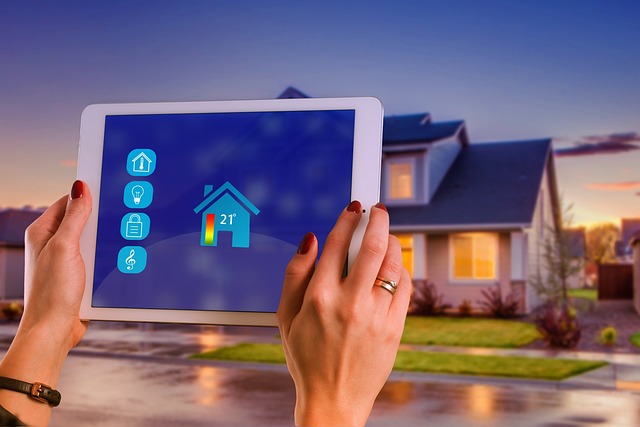 Setting up your first AI home hub can be an exciting venture. Start by choosing a central device that will act as the brain of your smart home. Popular options include Google Nest Hub or Amazon Echo Show. Next, ensure that all your devices are compatible with the chosen system. Smart lights, thermostats, and security cameras often come equipped with their own apps but need to integrate smoothly into one platform for seamless control. Once everything is set up, download the necessary applications on your smartphone.
This gives you remote access to manage tasks from anywhere. AI-powered smart homes are becoming the norm, and integration with tools like ChatGPT is leading the way. The shift from traditional voice assistants to conversational AI offers a more personalized experience for users. This technology can understand context better and engage in more meaningful interactions.…
Read more




 Experience and training are vital when in need of hiring a fire watch service. A survey will help you notice that the most experienced fire watch service has guards that do random patrols. It’s, therefore, necessary to hire a well-trained and qualified person to avoid risks. It’s advisable to hire a professional agency for quality services.
 The tools and plans a fire watch company uses are a consideration when in need of hiring one. Professional companies provide emergency fire alarms and fire watch security guards to respond to any emergency.


 This is an online business feature that helps you form connections with customers, and later on, convert the leads into sales. It also includes the drag and drop function and has an interface that is user friendly. It is a good tool because you do not require any coding skills to use it.




 nozzle, gas hose, and electrode conduit. When the operator presses the trigger or control switch, a wire feed is initiated and the shielding gas and power flow to cause an electric arc to occur. The contact tip is connected to the power source of the welding unit through a cable. It transmits and directs electrical energy to the welding area. The feed wire is guided and protected by the electrode conduit, which prevents buckling as well as maintains constant feed of the rod. The inert gas is directed to the welding zone by the nozzle.
 A majority of the MIG welders use a power supply that has a constant voltage. The length of the arc is usually dependent on the voltage. This means that any small changes in the arc length can result in significant changes in current and heat input. A shorter arc, for example, will result in higher heat input that causes the electrode to melt faster. This, in turn, restores the original arc length. Constant voltage, therefore, means that the arch length remains consistent. A similar effect is sometimes achieved using a power source that has constant current.