

How AI Drawing Generators Work: Algorithms, Machine Learning, and Neural Networks

AI drawing generators have revolutionized the way we create art, offering a blend of technology and creativity that pushes the boundaries of traditional drawing methods. In this article, we’ll explore how AI drawing generators work and the role of algorithms, machine learning, and neural networks in their development, all in a friendly and informative tone.

Understanding AI Drawing Generators

AI drawing generators, also known as neural network art generators, use artificial intelligence algorithms and machine learning models to create original artworks, illustrations, and designs. These generators can produce a wide range of styles, from realistic sketches to abstract compositions, based on input data and training.

The Role of Algorithms

Algorithms are at the core of AI drawing generators, guiding the process of generating art based on predefined rules and patterns. These algorithms analyze input data, such as images or text descriptions, and translate them into visual representations using mathematical calculations and computational techniques.

Machine Learning and Training Data

Machine learning plays a crucial role in AI drawing generators by training models to recognize patterns, styles, and features in artwork. Generative adversarial networks (GANs) and deep learning techniques are commonly used to train AI models on vast datasets of artwork, enabling them to learn and mimic artistic styles, textures, and compositions.

Neural Networks for Art Generation

Neural networks are fundamental components of AI drawing generators, mimicking the structure and function of the human brain’s neurons. These networks consist of interconnected layers that process and transform input data into meaningful output, such as generating images or drawings based on learned patterns and associations.

How AI Generates Drawings

draw

  1. Input Data: AI drawing generators start with input data, which can be in the form of images, text descriptions, or other visual cues that define the desired artwork.
  2. Feature Extraction: Algorithms extract features and characteristics from the input data, identifying shapes, colors, textures, and other elements that contribute to the artistic style.
  3. Learning and Training: Machine learning models, powered by neural networks, learn from vast datasets of artwork during the training process. They analyze patterns, styles, and artistic techniques to generate realistic or stylized drawings.
  4. Generating Artwork: Once trained, AI drawing generators can generate new artwork based on input parameters, such as style preferences, themes, or artistic concepts. They combine learned patterns and generate original compositions that resemble human-created art.

Applications and Impact

AI drawing generators have diverse applications across various industries, including art and design, entertainment, advertising, and education. They enable artists, designers, and creators to explore new creative possibilities, generate ideas, and automate repetitive tasks, enhancing productivity and innovation.

Ethical Considerations and Challenges

While AI drawing generators offer exciting opportunities, they also raise ethical considerations and challenges. These include issues related to copyright, ownership of generated art, bias in training data, and the impact on traditional art practices. It’s essential to navigate these challenges responsibly and ensure the ethical use of AI in creative endeavors.

AI drawing generators represent a fascinating fusion of art and technology, pushing the boundaries of creativity and innovation. By harnessing algorithms, machine learning, and neural networks, these generators empower artists and creators to explore new artistic realms, inspire imagination, and redefine the possibilities of digital artistry.…

Read more

What You Need to Know About IPTV Middleware

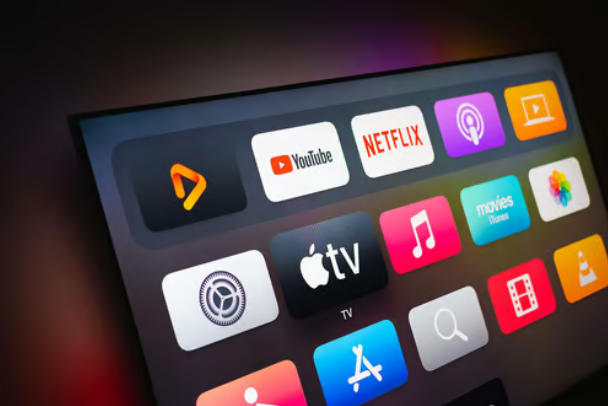
In the fast-paced world of entertainment, IPTV (Internet Protocol Television) has emerged as a game-changer, offering users unparalleled access to a vast array of content delivered over IP networks. At the heart of iptv services lies middleware, a software layer that bridges the gap between content providers and viewers, enabling seamless content delivery, interactive features, and personalized user experiences. In this article, we’ll explore the role of IPTV middleware in empowering a seamless user experience and customization in the realm of internet-based television.

Content Aggregation and Management

content

IPTV middleware serves as a central hub for aggregating and managing diverse content sources, including live TV channels, video-on-demand (VOD) libraries, streaming services, and interactive applications. By integrating multiple content streams into a unified platform, middleware enables users to access a wide range of entertainment options from a single interface, simplifying content discovery and navigation. Content providers can leverage middleware to curate, organize, and categorize content based on genres, languages, or user preferences, enhancing the overall viewing experience.

Seamless Content Delivery

One of the primary functions of IPTV middleware is to facilitate seamless content delivery to viewers’ devices, regardless of their location or network connectivity. Middleware optimizes content delivery by dynamically adjusting streaming protocols, bitrates, and resolutions based on network conditions and device capabilities, ensuring smooth playback and minimal buffering. Whether streaming live TV channels, on-demand movies, or interactive applications, middleware orchestrates the delivery of content in real-time, optimizing the viewing experience for users.

Personalization and User Preferences

IPTV middleware empowers personalized user experiences by capturing and analyzing user preferences, viewing habits, and behavior patterns. Through advanced analytics and AI-driven algorithms, middleware can deliver personalized content recommendations, tailored channel lineups, and targeted advertisements based on individual preferences and demographics. By understanding users’ interests and preferences, middleware enhances content discoverability, engagement, and satisfaction, fostering long-term viewer loyalty and retention.

Interactive Features and Applications

Middleware enables the integration of interactive features and applications that enhance user engagement and interactivity in IPTV platforms. From interactive program guides and electronic program calendars to social media integration and gaming applications, middleware facilitates a wide range of interactive experiences for viewers. Users can engage with content in real-time, participate in live polls, chat with friends, or even shop directly from their TV screens, transforming passive viewing into immersive and interactive experiences.

Multi-Screen Compatibility and Mobility

With the proliferation of connected devices and mobile technology, IPTV middleware ensures seamless compatibility and mobility across multiple screens and platforms. Whether accessing content on smart TVs, set-top boxes, smartphones, tablets, or PCs, users can enjoy a consistent viewing experience across devices, thanks to middleware’s adaptive streaming capabilities and cross-platform compatibility. Middleware allows viewers to begin viewing a TV on one device and seamlessly continue where they left off on another, delivering unprecedented ease and flexibility.

Monetization Opportunities for Content Providers

For content providers and broadcasters, IPTV middleware offers a range of monetization opportunities through targeted advertising, subscription models, and pay-per-view offerings. Middleware supports dynamic ad insertion, which allows marketers to display customized adverts depending on user demographics, preferences, and watching patterns. Additionally, middleware supports subscription-based models, premium content offerings, and pay-per-view events, enabling content providers to diversify revenue streams and maximize monetization opportunities.

IPTV middleware plays a pivotal role in shaping the future of internet-based television by enabling seamless content delivery, personalized user experiences, and interactive features. As the demand for on-demand content and personalized viewing experiences continues to grow, middleware will remain at the forefront of innovation, prompting advancements in content aggregation, delivery, and monetization.…

Read more